Johnny
Email marketing gives businesses a direct way to communicate with customers, promote products, and encourage repeat purchases. However, sending occasional promotional emails without a clear plan rarely delivers consistent results.
An effective email marketing strategy helps you reach the right people with relevant messages at the right time. Instead of treating every subscriber the same, you can create campaigns based on customer interests, behavior, and where someone is in the buying process.
Whether you run a small business, manage an online store, or provide professional services, understanding email marketing best practices can help you improve engagement and turn more subscribers into customers.
In this guide, we’ll explain how to create an email marketing strategy, which practices matter most, and how to measure your results.
Table of Contents
An email marketing strategy is a plan that defines how your business uses email to communicate with subscribers and achieve specific goals.
It covers everything from collecting email addresses and organizing contact lists to creating campaigns, automating messages, and tracking performance.
A successful strategy typically focuses on several objectives:
For example, an online store might use email marketing to welcome new subscribers, recommend products based on previous purchases, and encourage customers to return after several months.
A service business might focus on educational emails, customer testimonials, and appointment reminders.
The specific approach will vary, but the objective remains the same: provide relevant information that encourages subscribers to take action.
Email marketing allows businesses to communicate directly with people who have expressed interest in their products or services.
Unlike relying entirely on social media algorithms, email gives you a channel where you can build ongoing relationships with subscribers who have chosen to hear from you.
However, having a large email list does not automatically translate into better results.
Without a clear strategy, businesses often encounter problems such as:
A structured approach addresses these problems by defining your audience, establishing measurable goals, and creating messages that match subscriber needs.
It also makes it easier to identify which campaigns are working and where improvements are needed.
Building an email marketing strategy doesn’t require a massive marketing budget. What matters is having a clear process that you can improve over time.
Before creating your first campaign, determine what you want email marketing to accomplish.
Your goals should connect to measurable business outcomes rather than simply sending more emails.
For example, you might want to:
Each objective may require a different type of campaign.
If your goal is to increase repeat purchases, you might create automated product recommendations. If you’re trying to generate leads, educational content and follow up sequences may be more appropriate.
Establish a starting point for your current performance so you can measure improvements.
Your email marketing strategy depends on the quality of your subscriber list.
Collecting thousands of addresses from people who have no interest in your business is unlikely to generate meaningful results.
Instead, focus on attracting subscribers who genuinely want to receive your messages.
Effective ways to grow your list include:
Clearly explain what subscribers can expect and how frequently you plan to email them.
Avoid purchasing email lists or adding contacts without appropriate permission. These practices can damage your sender reputation, increase spam complaints, and create compliance problems.
For commercial email, follow applicable regulations such as the CAN-SPAM Act in the United States, along with any other privacy and marketing laws relevant to your audience.
A smaller list of engaged subscribers is generally more valuable than a much larger list of uninterested contacts.
One of the most important email marketing best practices is audience segmentation.
Email segmentation involves organizing subscribers into groups based on shared characteristics, interests, or actions.
Rather than sending identical content to everyone, you can create messages that are more relevant to specific audiences.
Common segmentation methods include:
For example, a customer who recently purchased a product may benefit from helpful usage instructions rather than another promotion for the same item.
Segmentation helps you avoid irrelevant messages and creates opportunities for more personalized communication.
Once you’ve identified your audience, decide what types of emails you’ll send.
A common mistake is using email exclusively to promote products or services.
While promotional campaigns are important, subscribers also need reasons to continue opening your messages.
Consider including a combination of:
For example, a web design agency might share practical advice about improving website conversions, followed by an occasional promotion for its services.
This approach builds familiarity and demonstrates your expertise before asking subscribers to make a purchase.
Develop a realistic publishing schedule that your business can maintain.
Consistency matters, but sending emails simply to meet a schedule can hurt engagement if the content isn’t useful.
Email marketing automation allows your business to send messages based on predefined triggers and subscriber behavior.
Instead of manually creating every email, you can establish workflows that respond to specific actions.
Some common email automation examples include:
Welcome email sequences
When someone subscribes, automatically introduce your business, explain what you offer, and share useful information.
Abandoned cart reminders
When a customer leaves items in an online shopping cart, send a reminder if you have the appropriate permissions and tracking in place.
Post purchase emails
After an order, provide product instructions, helpful resources, or recommendations for complementary products.
Customer reengagement campaigns
When subscribers haven’t interacted with your emails for an extended period, send a relevant message to determine whether they still want to hear from you.
Lead nurturing sequences
Send educational content to potential customers over time, helping them understand your services before they’re ready to make a decision.
Automation becomes particularly valuable as your contact list grows because it allows you to deliver personalized messages without manually managing every interaction.
Tools such as Mautic provide automation workflows, contact segmentation, and campaign management capabilities.
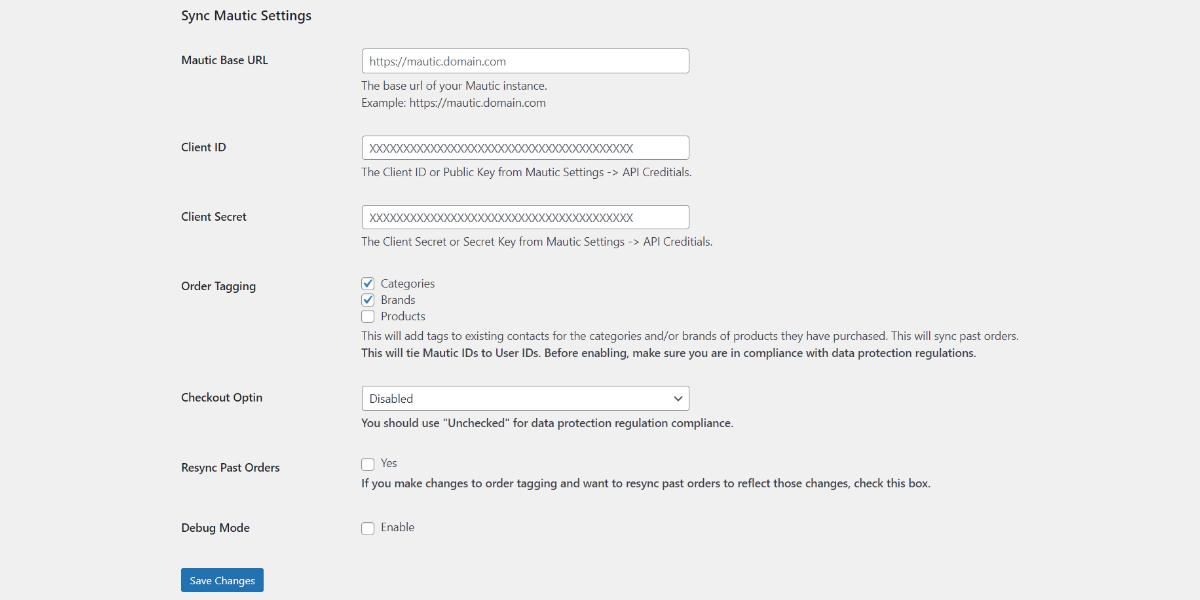
For businesses using WordPress or WooCommerce, connecting website activity and purchase data with an email marketing platform can create additional opportunities for targeted campaigns.
Your subject line is one of the first things subscribers see, and it can influence whether they open your email.
An effective subject line should clearly communicate the value of the message without relying on misleading claims.
Compare these examples:
Generic: Our Monthly Newsletter
More specific: 5 Ways to Improve Your Website’s Conversion Rate
Generic: Check Out Our Products
More specific: New Products Available for Your Next Project
The more specific examples give subscribers a clearer reason to open the message.
Keep subject lines concise, use language your audience understands, and avoid excessive capitalization or punctuation.
When possible, test different subject lines to identify which approaches perform best with your subscribers.
Remember that open rates are not always a reliable measurement of engagement because some email privacy features can automatically register opens.
Even an excellent subject line won’t help if subscribers find the email itself difficult to understand.
Good email design focuses on readability, accessibility, and clear calls to action.
Follow these email marketing best practices:
Each email should have a clear purpose.
If your goal is to encourage subscribers to schedule a consultation, make that action easy to identify.
Avoid overwhelming readers with multiple competing offers.
Your email should guide subscribers toward the next step without making them search for it.
Personalization involves more than inserting someone’s first name into an email.
The most useful personalization comes from understanding what subscribers are interested in and how they’ve interacted with your business.
For example:
A WooCommerce store selling products across several categories could use purchase information to create different email campaigns for each category.
Someone who frequently purchases one type of product shouldn’t necessarily receive every promotion for unrelated products.
Behavior based personalization helps make your emails more useful and can encourage stronger customer relationships.
However, personalization should always respect subscriber preferences and applicable privacy requirements.
Once you’ve established your email marketing strategy, use these best practices to improve your campaigns.
Build your list through transparent signup methods and ensure subscribers understand what they’re signing up for.
Avoid sending unsolicited marketing emails.
Subscribers should immediately recognize who sent the message.
Using your business name consistently can help build familiarity and trust.
Configure SPF, DKIM, and DMARC for your sending domain.
These email authentication technologies help receiving mail servers verify messages and protect your domain from certain forms of impersonation.
Monitor delivery failures, unsubscribe requests, and engagement trends.
Remove invalid addresses and evaluate whether inactive subscribers should continue receiving campaigns.
Include a clear unsubscribe option and honor requests promptly.
A straightforward unsubscribe process supports subscriber trust and helps maintain a healthy mailing list.
Check your emails on desktop and mobile devices.
Verify that buttons, links, images, and personalization fields work correctly before launching a campaign.
Decide what action matters most for each campaign.
Whether you want subscribers to read an article, purchase a product, or request a quote, make the next step clear.
There is no universal email frequency that works for every business.
Monitor engagement, complaints, and unsubscribe rates to understand how your audience responds.
You can also let subscribers choose how often they want to receive messages.
Review campaign performance and test changes over time.
Small adjustments to content, segmentation, design, and timing can help you understand which approaches produce better results.
An email marketing strategy should include clear performance measurements.
Without tracking results, it’s difficult to determine whether your campaigns are contributing to business growth.
Here are several important email marketing metrics:
| Metric | What It Measures |
|---|---|
| Open rate | Percentage of delivered emails recorded as opened |
| Click rate | Percentage of delivered emails that generated clicks |
| Conversion rate | Percentage of recipients or visitors completing a desired action, depending on how it’s calculated |
| Bounce rate | Percentage of sent emails that could not be delivered |
| Unsubscribe rate | Percentage of recipients who unsubscribe after a campaign |
| Revenue per email | Revenue attributed to an email campaign divided by emails sent or delivered, using a consistent definition |
While open rates can provide useful directional information, they may be inflated by automated privacy protections.
For businesses focused on generating sales, conversions and attributed revenue are often more useful indicators.
If your goal is lead generation, track how many subscribers request quotes, schedule appointments, or complete contact forms.
The metrics you prioritize should reflect the goals established at the beginning of your strategy.
Even businesses with established email lists can struggle to generate results when campaigns aren’t properly planned.
Some of the most common mistakes include:
Sending the same email to every subscriber. Different customers have different interests. Segmentation helps ensure your messages remain relevant.
Focusing exclusively on promotions. If every email asks subscribers to buy something, they may eventually stop engaging. Include useful content that helps maintain interest.
Ignoring mobile users. Emails that are difficult to read on smaller screens can create a frustrating experience.
Failing to test campaigns. Broken links, incorrect personalization, and formatting problems can affect campaign performance.
Not measuring conversions. High open rates don’t necessarily translate into business results. Evaluate whether emails produce the actions you actually want.
Setting up automation and never reviewing it. Automated campaigns still require periodic maintenance, testing, and improvements.
Avoiding these mistakes can help you build a more dependable email marketing program.
Your email marketing platform plays an important role in executing your strategy.
When evaluating software, consider the features your business needs today and the capabilities you may require as your audience grows.
Important factors include:
Popular platforms include Mailchimp, Brevo, ActiveCampaign, and Mautic.
Each has different strengths depending on your budget, technical resources, and marketing requirements.
Mautic is an open source marketing automation platform worth considering for businesses that want more control over their marketing infrastructure.
Mautic supports contact management, segmentation, email campaigns, and automated customer journeys.
It can also be integrated with other business systems, although some implementations require additional configuration and technical knowledge.
Businesses using WooCommerce may benefit from connecting customer purchases and product information with their marketing platform to create more relevant automated campaigns.
The right platform is the one that supports your email marketing strategy without introducing unnecessary complexity.
Email marketing results depend on several factors, including your existing subscriber list, audience engagement, industry, and the campaigns you create.
A business with an established list of interested subscribers may generate conversions shortly after launching a relevant campaign.
A new business starting with no subscribers will need time to build its audience and collect enough performance data to identify patterns.
Rather than expecting immediate results from every campaign, focus on consistent improvements.
Review your performance regularly, learn what subscribers respond to, and use that information to refine your approach.
Over time, a well maintained email marketing strategy can become a valuable source of customer engagement, leads, and repeat business.
An effective email marketing strategy is about more than sending newsletters or announcing promotions.
It requires understanding your audience, setting clear goals, creating useful content, and delivering relevant messages when subscribers are most likely to benefit from them.
By following proven email marketing best practices, including segmentation, automation, personalization, and ongoing performance analysis, you can build campaigns that support meaningful business objectives.
Start with a manageable plan, measure your results, and make improvements based on what you learn.
You don’t need to implement every strategy immediately. Focus on building a strong foundation and expand your efforts as your business grows.
An email marketing strategy is a plan for using email campaigns, subscriber segmentation, and automation to achieve business goals such as generating leads, increasing sales, and improving customer retention.
Important email marketing best practices include collecting subscribers with appropriate permission, segmenting your audience, writing relevant content, optimizing emails for mobile devices, automating useful messages, and tracking campaign performance.
Email frequency depends on your audience, industry, and content. Start with a consistent schedule that delivers useful information, then monitor engagement and unsubscribe rates to determine whether your frequency should change.
A practical email marketing strategy for a small business starts with building a quality subscriber list, creating a welcome email sequence, segmenting contacts, sending useful content, and measuring leads or sales generated by campaigns.
Email marketing automation allows businesses to send relevant messages based on subscriber actions, such as joining a list, making a purchase, or abandoning a shopping cart. It can reduce manual work and help deliver timely communication.
Yes. Mautic is an open source marketing automation platform that supports email campaigns, contact segmentation, and automated workflows. It can be a good option for businesses that want control over their marketing infrastructure and have the resources to configure and maintain it.
Measure performance using metrics that match your business goals. These may include click rates, conversions, generated leads, unsubscribe rates, and revenue attributed to email campaigns.